The Republic of Congo – Kento Mwana
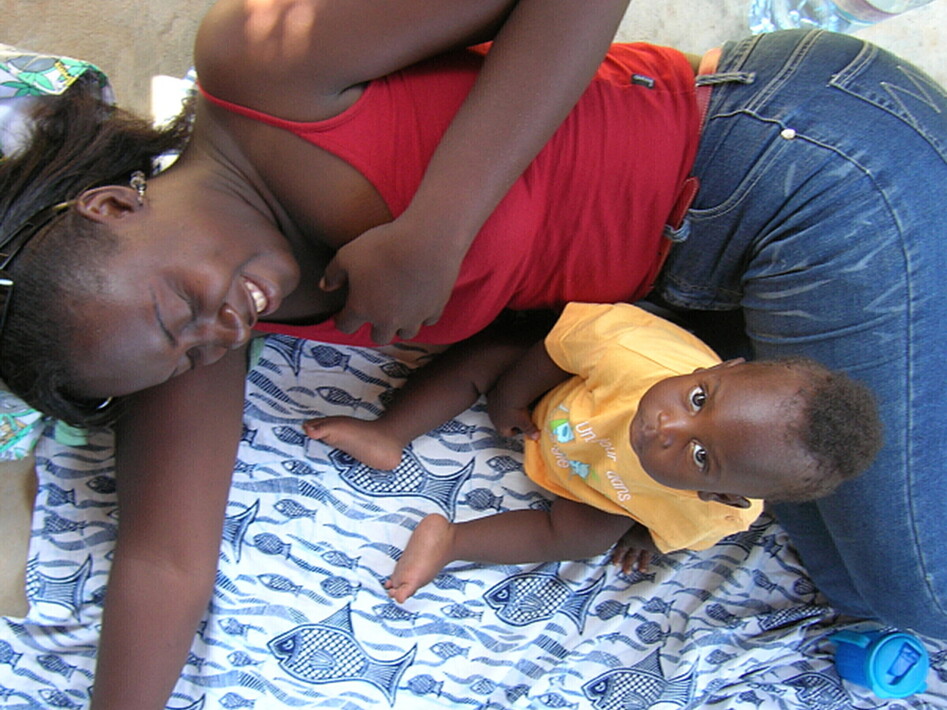
The aim of the Kento Mwana project in the Republic of Congo was to prevent the transmission of HIV/AIDS from mother to child.

About the project
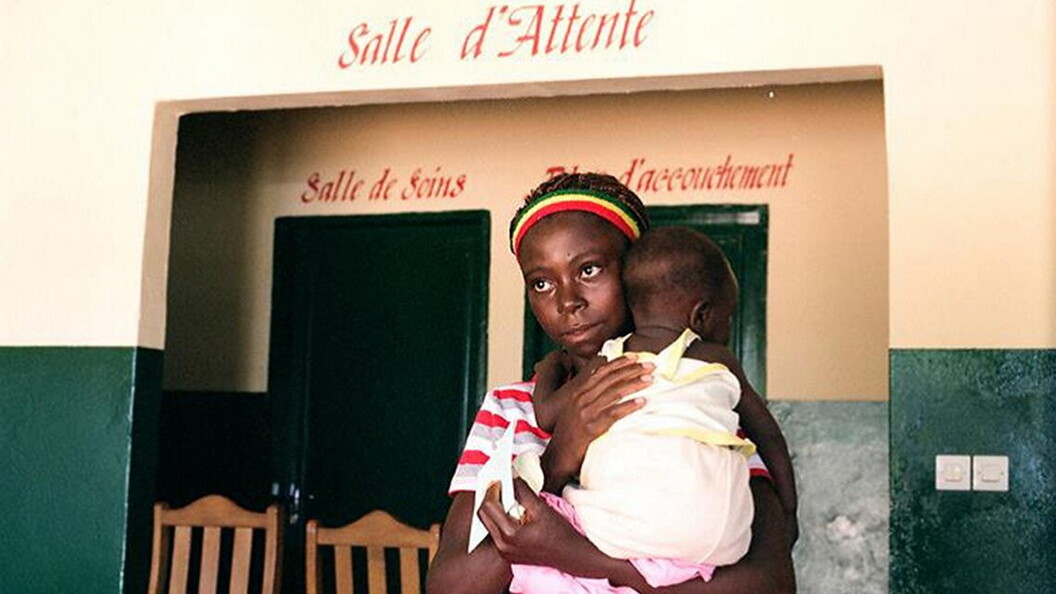
The importance of early diagnosis
Our achievements
Here are the activities carried out and the results achieved.
We were able to offer medical advice to more than 30,000 women. The new healthcare facilities and the Pointe Noire laboratory were equipped with HIV screening apparatus, radiology and other diagnostic equipment. We expanded the prevention programme to other conditions transmitted between mother and child (in particular the hepatitis B virus) and, if the mother was found to have the condition, initiated an early vaccination schedule for the newborn child. In 2012, 8,892 women visited the various healthcare facilities for a prenatal consultation and received counselling before HIV testing. Almost all of them (8,249) agreed to undergo HIV screening and 228 were shown to be HIV-positive. In 2012, the project supported 240 HIV-positive women, who received the required anti-retroviral drugs as well as iron and vitamin supplements. In some cases, radiology, diagnostic and blood chemistry testing was carried out and, where necessary, patients were admitted to hospital. Of the 140 births that took place in 2012, 85 children followed the programme; at the end of the year 82 of them were HIV-negative.
Prenatal Consultation – Main Results 2009-12
| DATA | |
|---|---|
| Women who received counselling | 30.487 |
| Women who took the HIV test | 29.643 |
| HIV-positive women | 998 |
| - who decided to follow the programme | 564 |
| - who decided to follow the programme | 1.153 |
| Births | 881 |
| Newborn children who completed the programme | 434 |
| Children tested HIV-negative at the end of the programme | 430 |

Training: we focused on passing on skills
Thanks to the Eni Foundation, 26 training sessions were held in 2012, attended by 781 medical staff (doctors, centre managers, counsellors, midwives, nurses and delivery room staff and lab technicians) on the following topics:
- pre/post-HIV test counselling
- care for HIV-positive women during pregnancy
- care for HIV-positive women in the delivery room
- paediatric care for children of HIV-positive women
- breastfeeding methods
- safety when taking samples
- administration and use of the Immunocomb Bispot test
- using the ELISA test to confirm the quick test
- possible side effects of anti-retroviral drug treatment.
At the same time as the training sessions, two Congolese doctors completed a month-long placement at the University of Genoa in Italy, specialising in the clinical and lab-based management of HIV infection.
Aims of the project
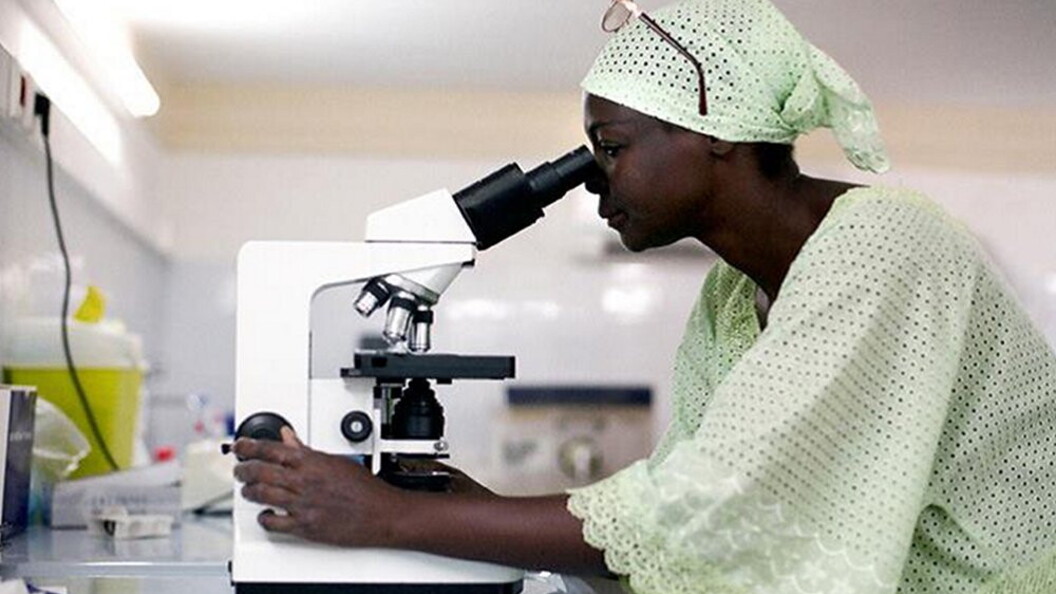
- lab-based prevention: expanding the scope of the activities tested as part of the pilot project and increasing the specialist diagnostic capacity of the Pointe Noire laboratory
- training: reinforcing the skills of staff in outlying health facilities and gradually transferring knowledge to Congolese health professionals on how to prevent infection from mother to child.
Our partners
The Eni Foundation financed the project and was responsible for its management, working in partnership with:
- the Congolese Ministry of Health, which provided the medical facilities and staff, anti-retroviral drugs and all necessary support
- the National Council for the Fight Against AIDS (CNLS) of the Republic of Congo, which helped coordinate the project with other activities aimed at fighting infection
- the Infectious Disease Clinic at the University of Genoa, whose specialised staff coordinated and ran the activities.
Country profile: Republic of Congo
| Source: UNICEF 2010 | |
|---|---|
| Population (millions) | 4.043 |
| - aged under 18 (millions) - aged under 5 (millions) | 1.895 623 |
| Life expectancy at birth (years) | 57 |
| Infant mortality rate (per 1,000 live births) | |
| - 0-5 years - 0-12 months - neonatal | 93 61 29 |
| % born underweight (2003-08) | 13 |
| % children aged 0-5 underweight (moderate or severe, 2006-10) | 11 |
| % children aged 0-5 with stunted growth (moderate or severe, 2006-10) | 30 |
| Maternal mortality rate (per 100,000 live births, 2006-10) | 780 |
| Lifetime risk of maternal death (2008) | 1 in 39 |
| Gross National Income per capita (US $) | 2.310 |
| Healthcare spending | |
| - as % of Gross National Income (2009) | 2 |
| - as % of state expenditure (2000-2009) | 4 |