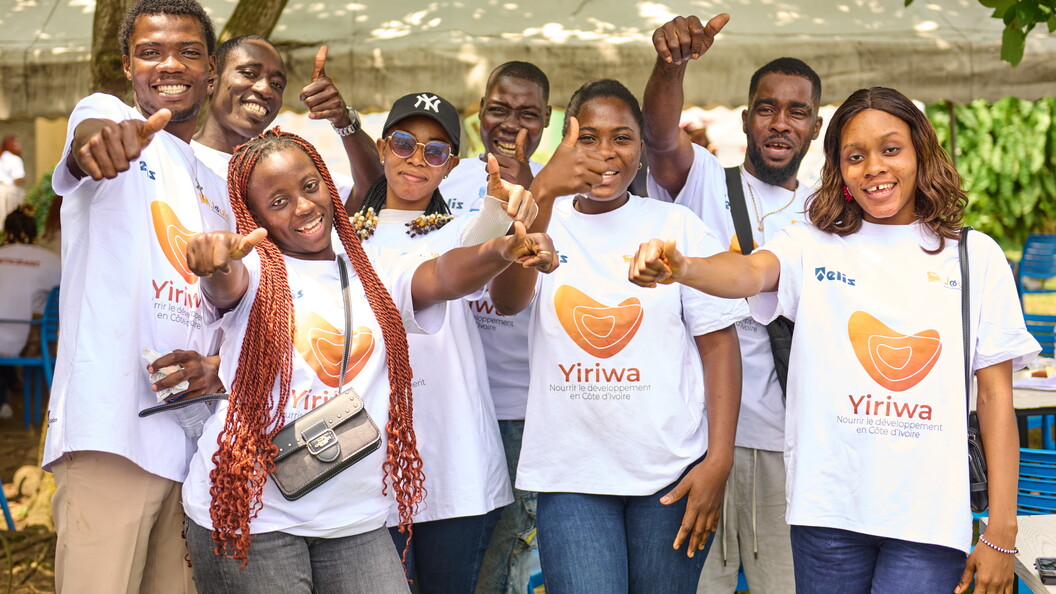
Yiriwa, a bridge between training, innovation and business
Joule's new accelerator programme in Côte d'Ivoire started with an Innovation Bootcamp for 50 students.
Last update:
1 agosto 2026 - 15:04 CET

In the Bambara language, Yiriwa means to develop, thrive and grow. This is why Joule chose the word to represent its new programme in Côte d'Ivoire, which aims to develop innovative solutions in the sectors of energy transition and decarbonisation, with a focus on the clean cooking supply chain. This will be achieved through two complementary paths: providing students with the technical skills and entrepreneurial mindset necessary to train the next generation of innovators and offering support for the incubation and acceleration of local companies already active in the green sector.
The innovation Bootcamp
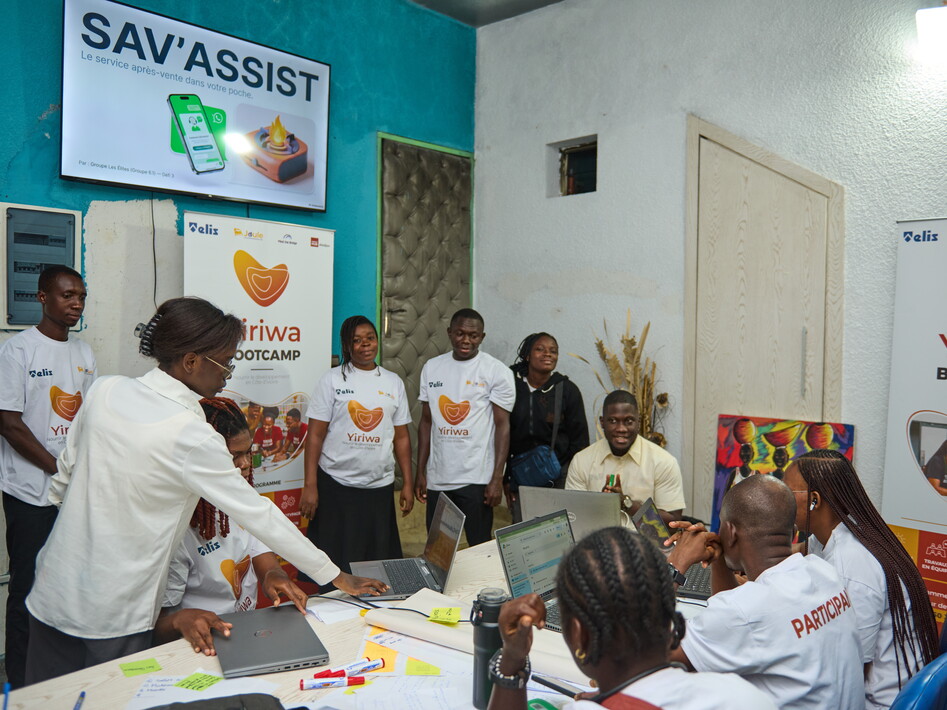
A key part of the training course was the Innovation Bootcamp which took place in Abidjan from 29 to 31 July and involved around 50 students from training centres in Abidjan and Yamoussoukro.
During the three days, participants worked in multidisciplinary teams to develop new solutions in response to practical challenges in the clean cooking sector, based on the needs expressed by local communities. Using design thinking, mentoring and collaborative working, they transformed their ideas into design proposals, which they presented on the final Demo Day.
The bootcamp was created with the support of ELIS, one of the project's partners, and DigiFemmes, who hosted the initiative at the Impact Hub in Abidjan.
The final event was attended by Luca Faccenda, the Managing Director of Eni Côte d'Ivoire; Roberta di Lecce, the Italian Ambassador to Côte d'Ivoire; and representatives of the local innovation, clean cooking and circular economy ecosystems. This highlights the importance of collaboration between institutions, companies and local stakeholders in promoting innovative solutions for energy transition and sustainable development.
The Yiriwa Project
The project fully aligns with Eni's Dual Flag model, which is based on respect for people, an in-depth understanding of local contexts, and building partnerships that can drive the energy transition and sustainable development.