
Safi Jiko, supporting female entrepreneurship in Kenya, is launched
The acceleration programme also fosters the dissemination of Clean Cooking in rural communities.
Last update:
10 luglio 2026 - 12:16 CET

Safi Jiko is the new business acceleration programme promoted by Joule in collaboration with E4Impact Foundation, established to support female entrepreneurship and promote the dissemination of Clean Cooking solutions in rural communities in Kenya.
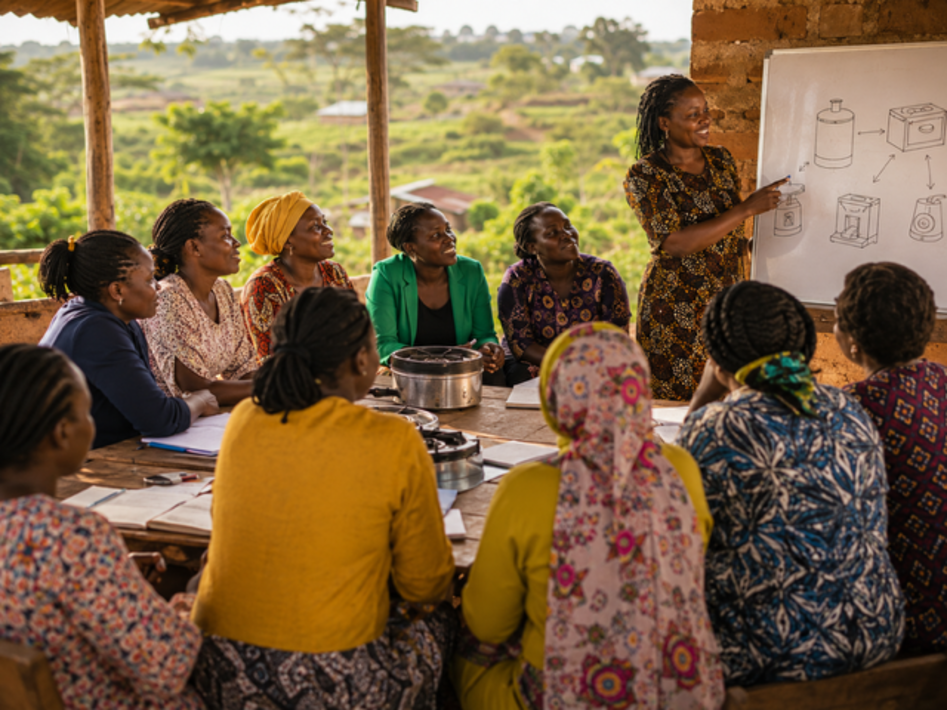
The 6-month programme will select 20 women entrepreneurs working in Clean Cooking sectors in Meru, Makueni and Kitui, accompanying them on a six-month acceleration process aiming to hone their entrepreneurial skills and their role as promoters of the local energy transition.
The initiative stems from the awareness that, in many parts of the country, traditional fuels such as wood and coal continue to be the main source for domestic cooking, with major consequences on health, environmental impact and quality of life. At the same time, women play a central role both in the management of local economic activities and in everyday decisions related to domestic cooking and energy use.
For this reason, the programme aims to make the participants Clean Cooking Community Champions: entrepreneurs who not only are able develop and grow their Clean Cooking business, but are also able to raise awareness among communities, encouraging changes in behaviour and helping to overcome cultural and information barriers that still hinder the adoption of safer, more efficient and sustainable cooking technologies.
Through training, mentoring and coaching in the field, Safi Jiko aims to strengthen the local clean cooking ecosystem and promote an energy transition that starts in the communities, enhancing women's role as leaders of economic, social and environmental change. The programme promotes the adoption of different clean cooking solutions – including improved biomass stoves, LPG, briquettes – aiming to generate a lasting and replicable impact beyond the end of the project.
The call to take part in the programme closes on 19 July 2026.
