


Global vision

Eni for 2025
Concrete actions that turn strategy into results.
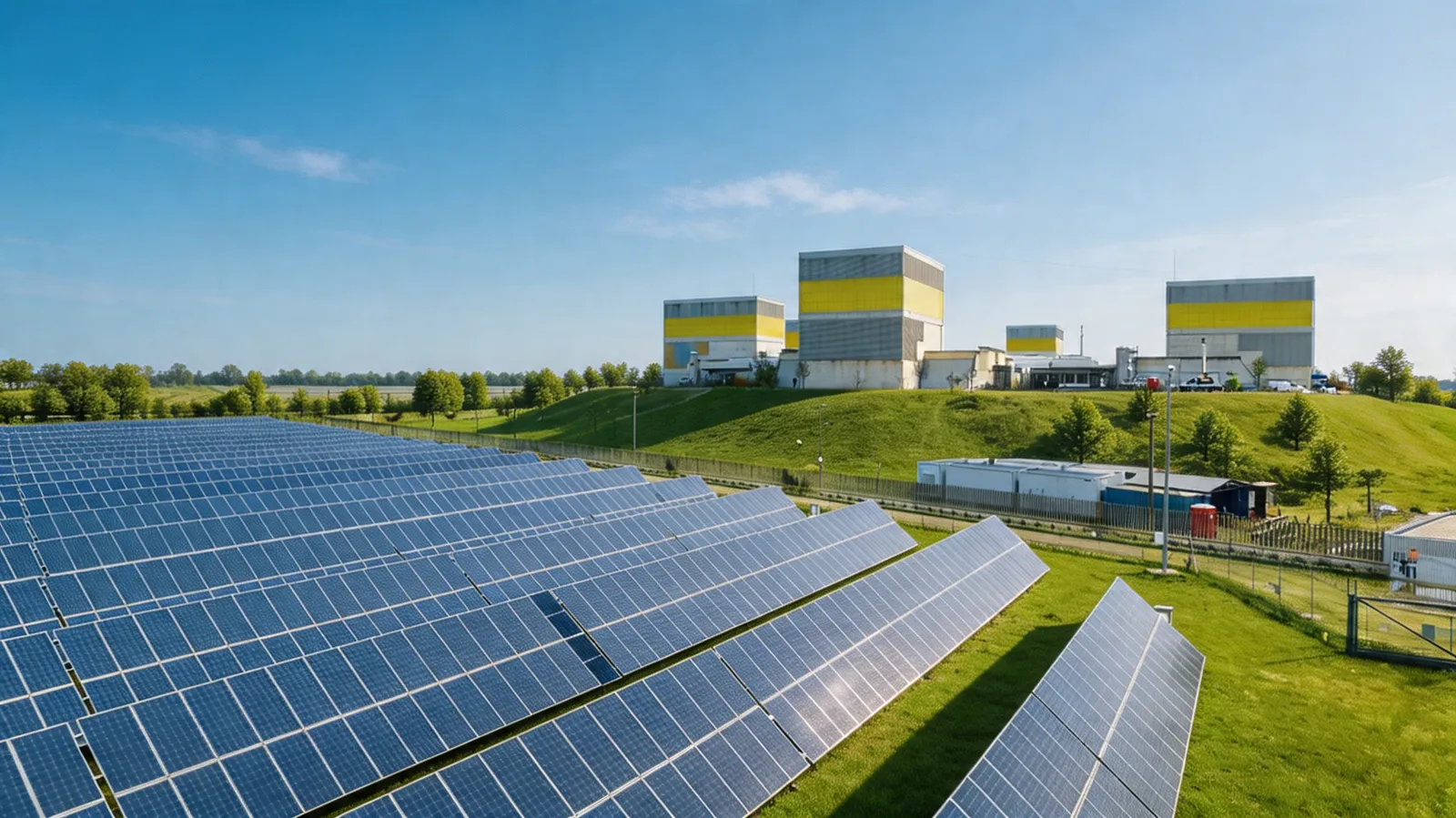
We forge a path paved with concrete choices,
integrating business objectives with those of greater sustainability to generate shared value.
Concrete choices for more sustainable actions that transform challenges into opportunities.


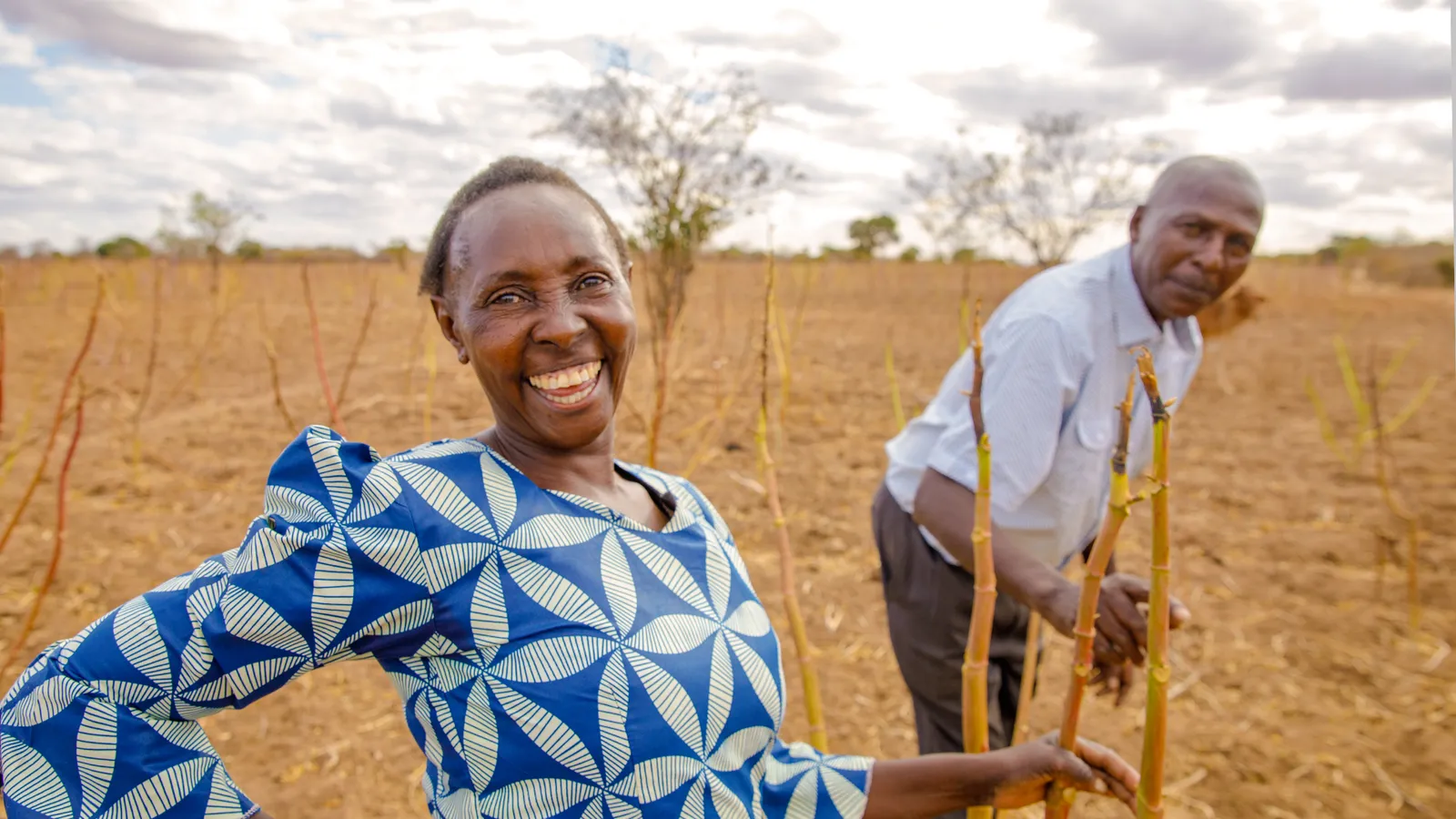
“Our distinctive strategy for business transformation and decarbonisation, the quality of our portfolio and our exploration and project execution capabilities consolidate Eni’s role as a key player in addressing global energy challenges. We firmly believe that only through an integrated approach, capable of combining growth, responsibility and industrial discipline, can lasting value be generated”.
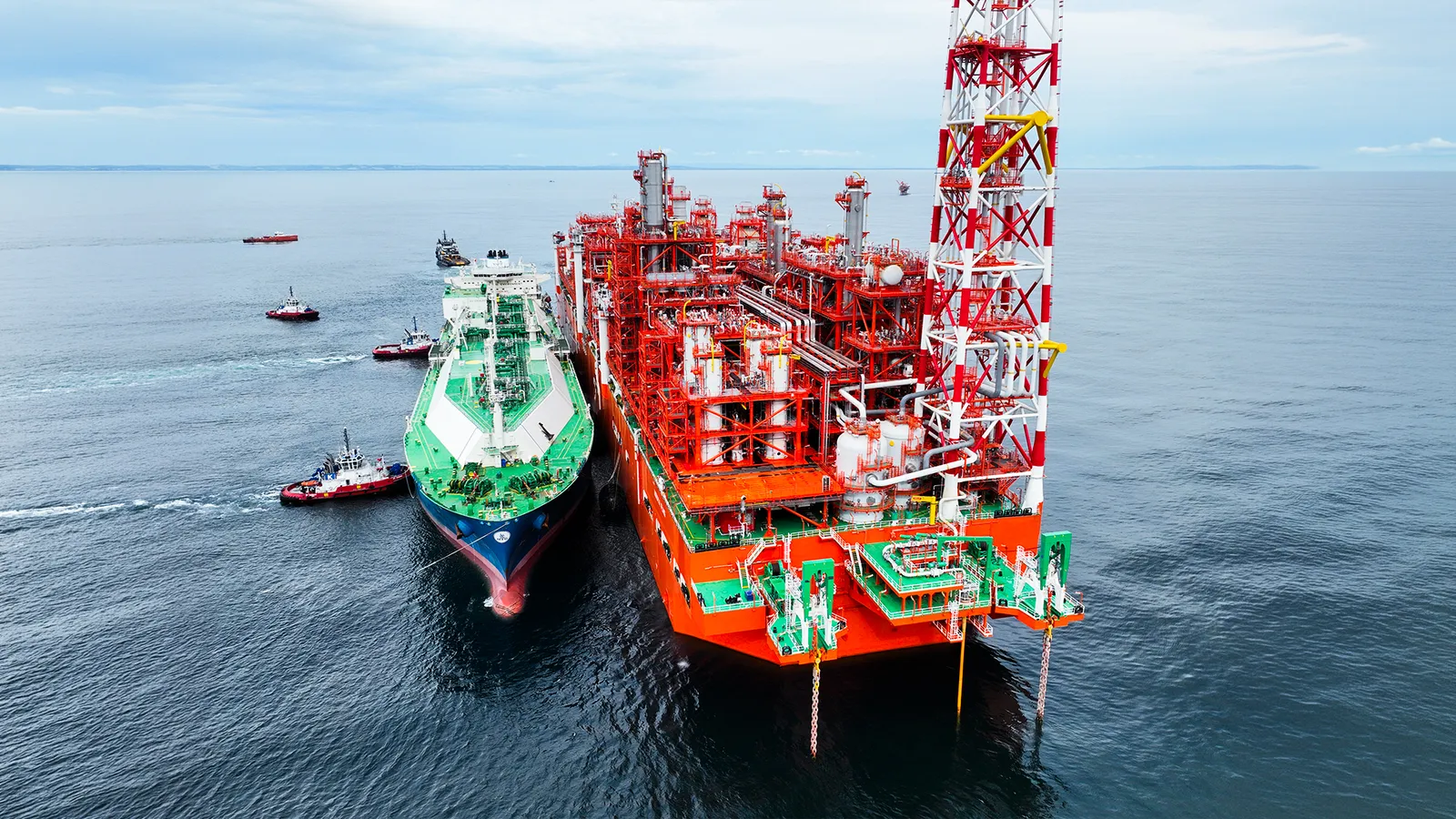
Natural gas is an accessible, reliable and versatile energy source. It plays a key role in the energy transition, alongside other energy solutions that are becoming more important in meeting global demand.
Our path towards carbon neutrality is marked by intermediate milestones: net zero emissions from our Upstream operations (Scope 1+2) by 2030, across the whole company by 2035, and finally net zero emissions (Scope 1+2+3) in terms of emissions intensity by 2050. As part of this, we are also building increasingly sustainable relationships with stakeholders involved in our activities. To date, Eni’s net emissions (Scope 1+2) have decreased by 40% compared to 2018, while net emissions intensity across the value chain (Scope 1+2+3) shows a 6% reduction over the same period.
We have developed a distinctive model involving the creation of focused, streamlined companies capable of attracting new capital. These autonomous entities are able to enhance traditional and innovative energy businesses with higher potential, through specialised management and the involvement of strategic partners. We apply this model by adopting strategies aimed at different business contexts. Examples include Enilive and Plenitude.
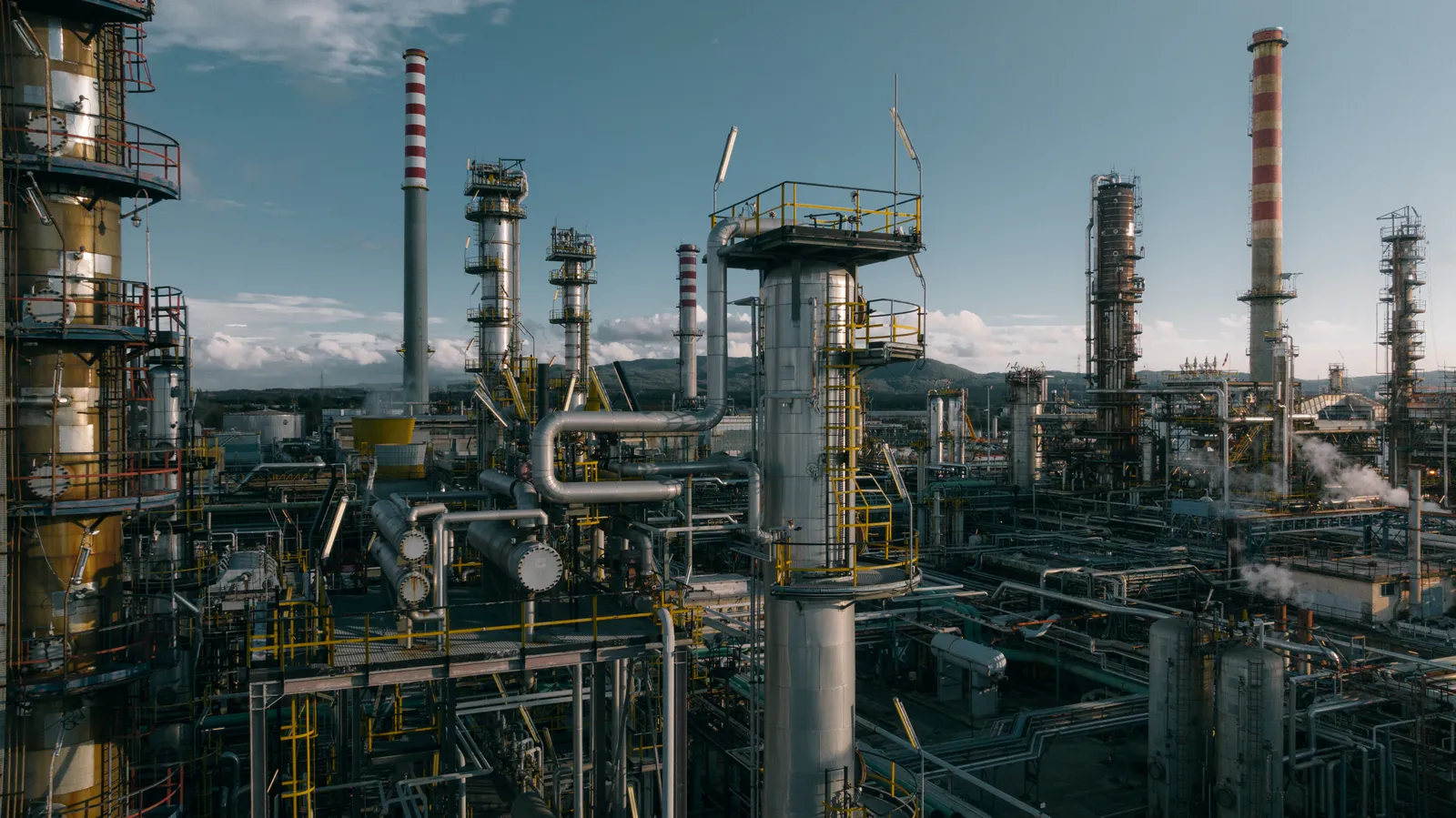
One of the key areas where Eni is responding to the energy transition is through the transformation of its downstream sector. Eni is evolving its industrial operations, with the aim of adapting existing assets to changes in energy and materials markets, while enhancing skills, technologies and infrastructure.
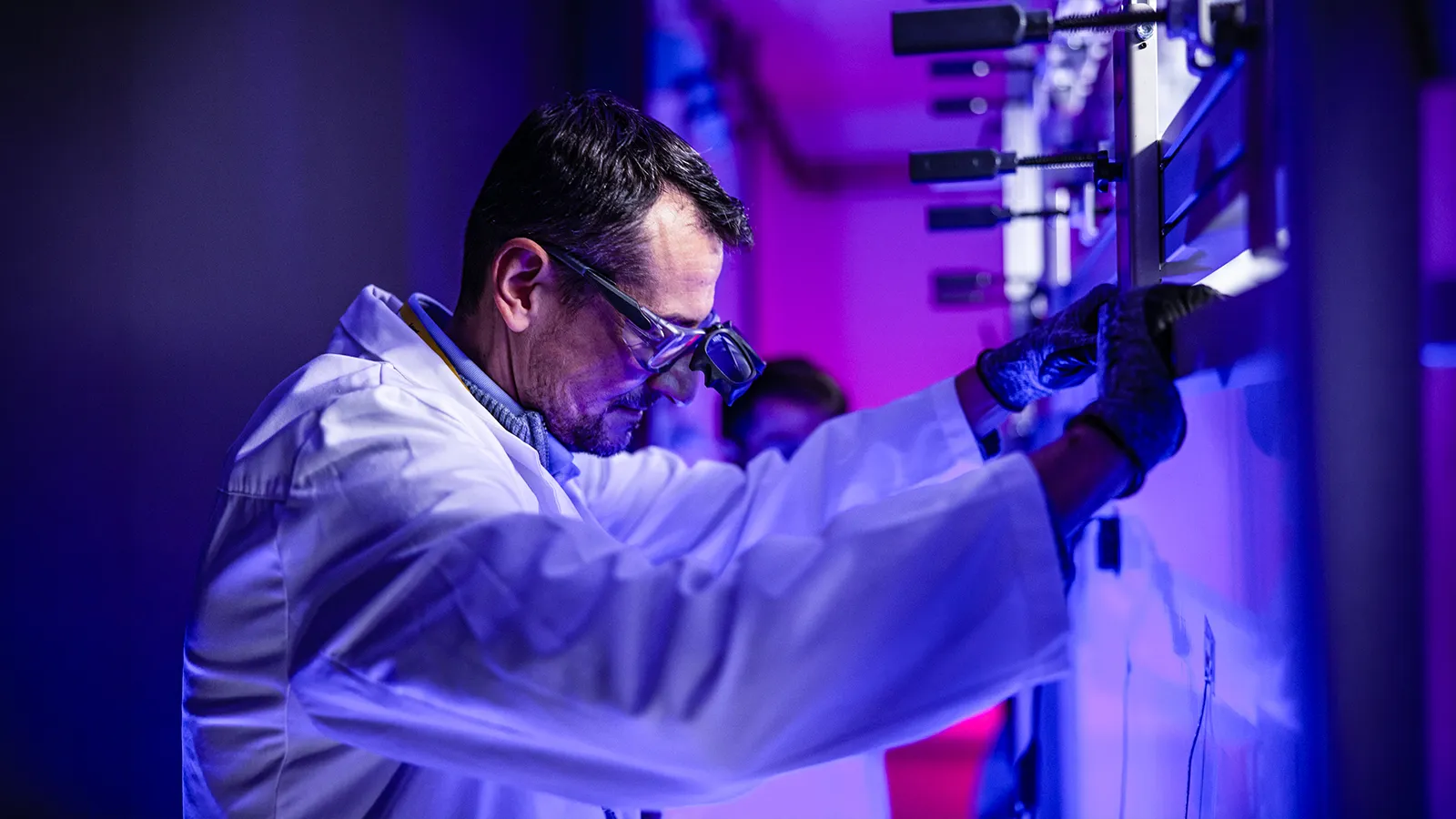
Technological innovation is a central element in our strategy. As a Global Energy Tech Company, we champion frontier technologies for a more sustainable, secure and accessible energy future.
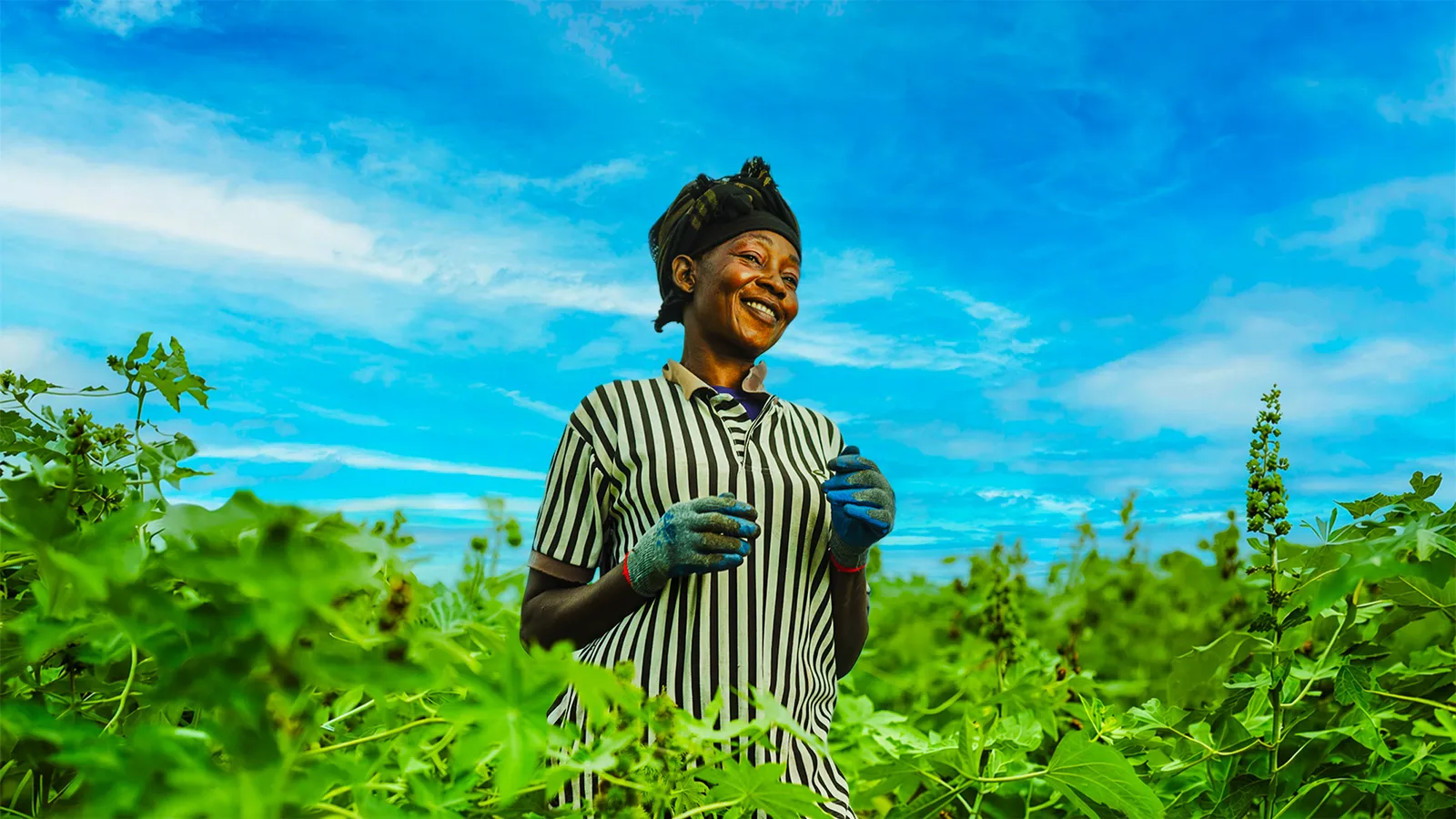
We integrate sustainability objectives into our businesses from the moment we enter a new country. We are sensitive to local conditions, implementing different approaches but always with the overall goal of achieving a Just Transition. Our business model is based on industrial and local development projects that diversify energy sources and supply and help to broaden energy access. We use partnerships where possible.
“In today’s context, we consider it important to contribute to the well-being of those we interact with by promoting respect for the dignity of every individual and for human rights (...). Our actions are guided by a structured approach based on principles and processes aligned with international standards (...), translated into concrete tools for the prevention, management and remediation of potential impacts arising from our activities”.
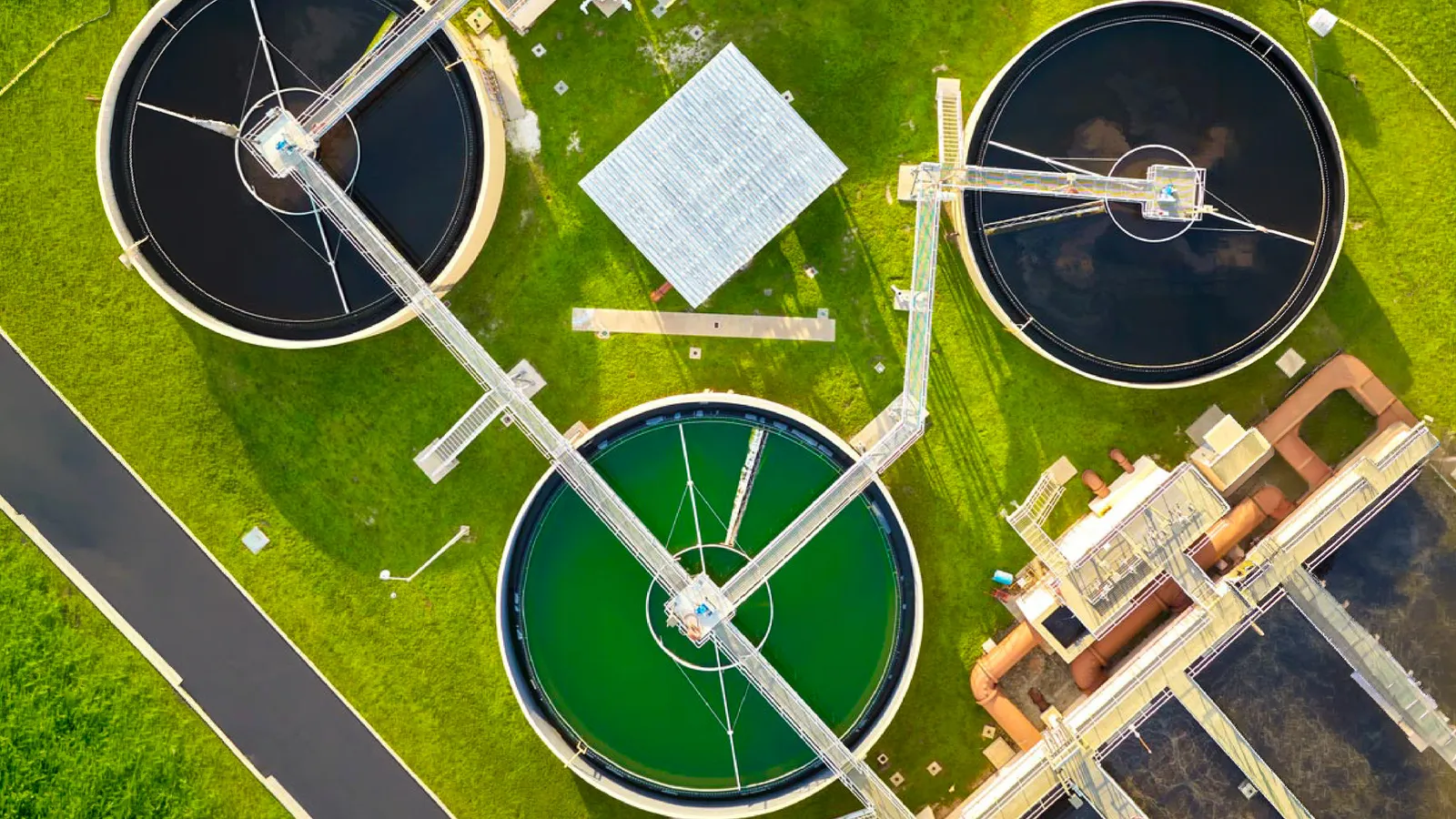
Our aim is to achieve water positivity by 2050 at all our operating sites. The actions we take to safeguard water are inspired by the Net Positive Water Impact approach proposed by the CEO Water Mandate, and focus on water availability, quality and accessibility in the local area.
To promote a just and sustainable transition, Eni’s strategic plan has for many years set measurable targets with clearly defined timelines and commitments. They represent a tangible contribution to creating shared value for local communities, continued environmental protection and promoting responsible and transparent governance.Go to the table
Concrete choices for more sustainable actions that transform challenges into opportunities.
We build networks and capabilities for sustainable growth in collaboration with people, communities and partners.
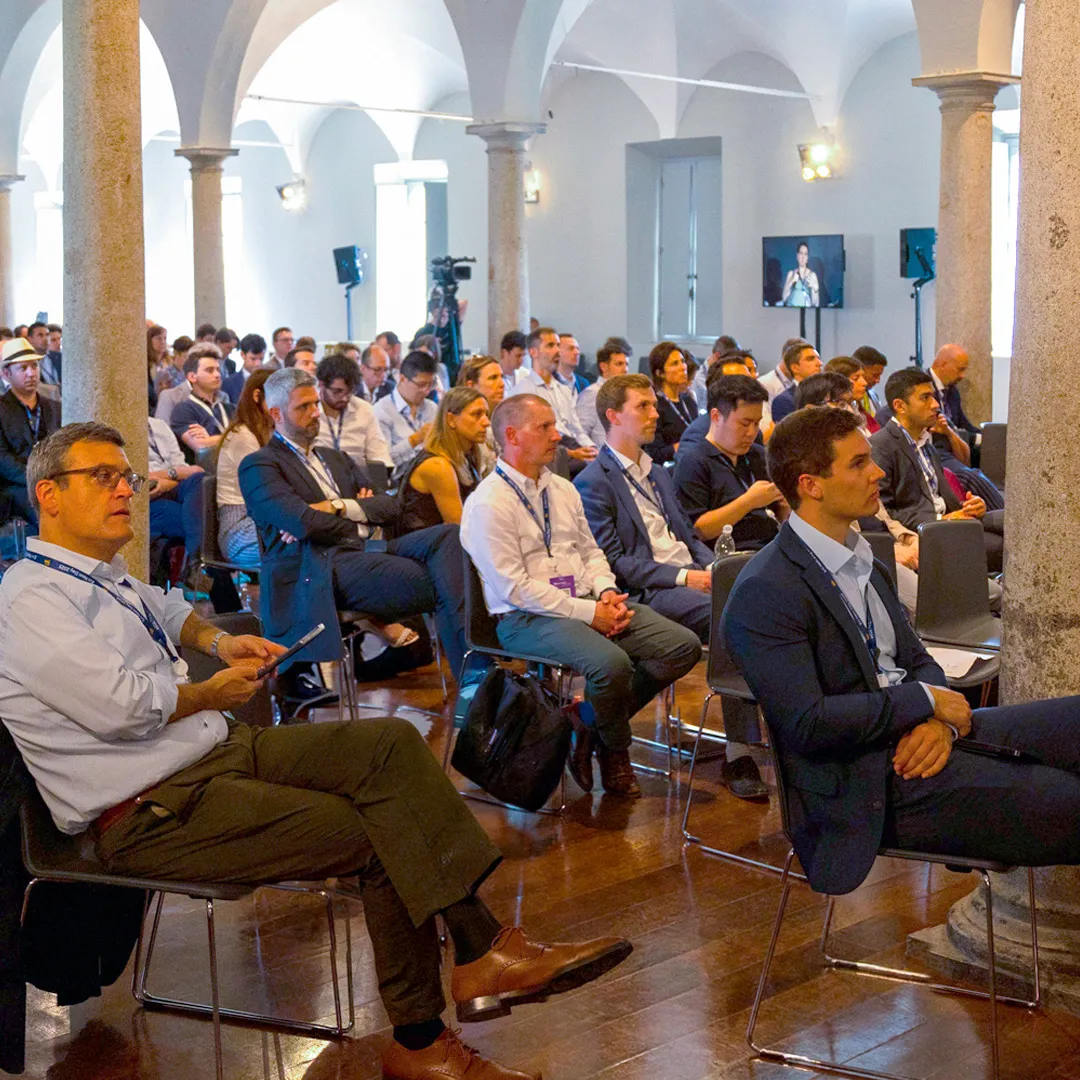
Dialogue with stakeholders is central and ongoing. We provide them with clear information, involving among others, development cooperation organisations, customers and consumers, the financial community, and research centres. It is an exchange based on transparency that covers all company functions and roles.
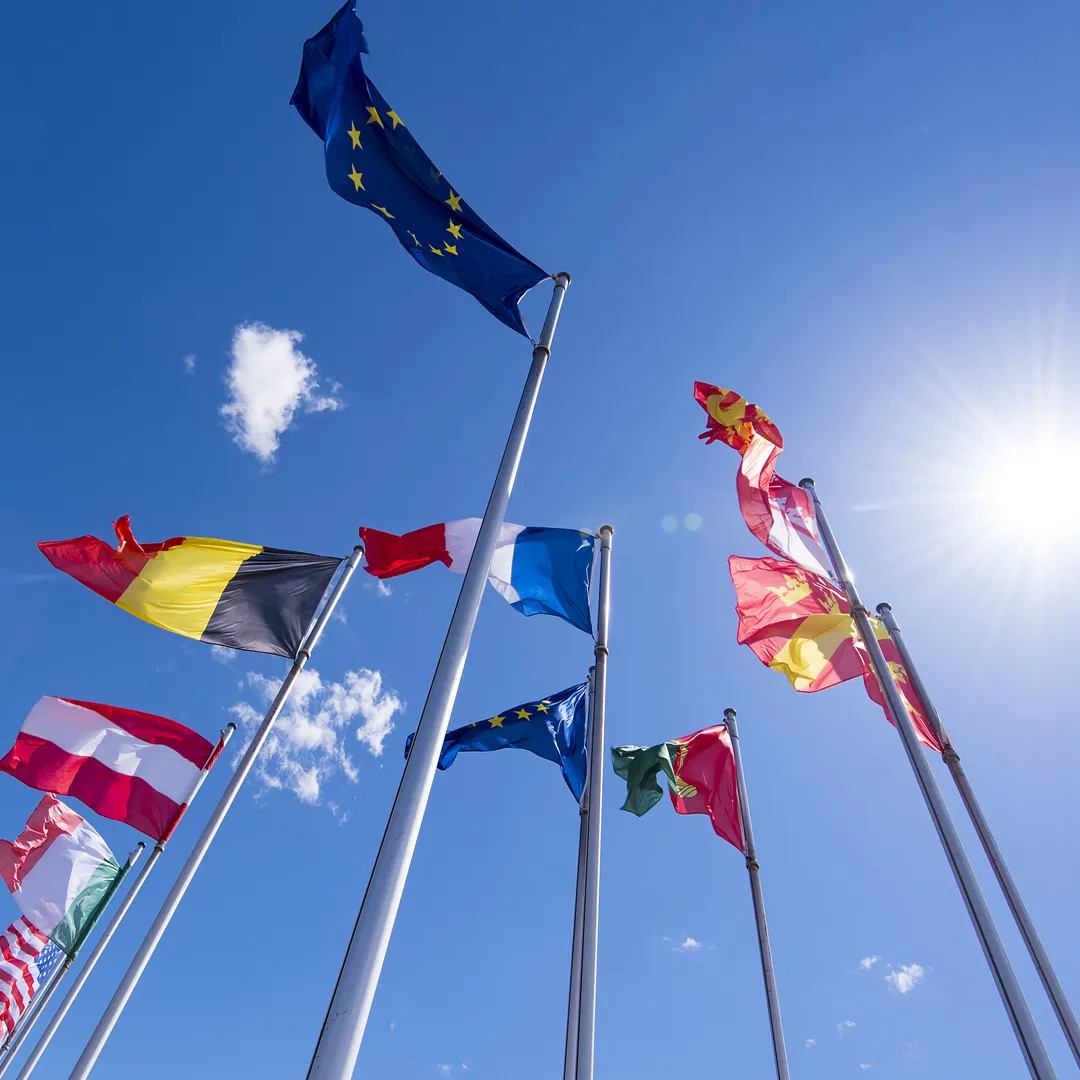
We develop knowledge and create shared value for ourselves and our stakeholders through a network of partnerships centred on universities, institutions, civil society and business. We enter into agreements with the national oil companies (NOCs) of the countries in which we operate. These agreements are aimed at sharing and disseminating best practices in the field of methane emissions reduction.

The Global Framework Agreement (GFA) on International Industrial Relations, Corporate Social Responsibility and a Just Transition, renewed in January 2026, guarantees social dialogue and the protection of workers’ rights. We have confirmed our commitment to developing strategies that are based on the principles of sustainability, integrity and transparency. This approach strengthens our efforts to combat corruption, promote respect for human rights and labour rights, and enhance health and safety standards for people, while also fostering greater environmental protection and sustainable development.

Eni is ranked first in the latest Corporate Human Rights Benchmark (CHRB) of the World Benchmarking Alliance. The CHRB analysed 105 companies operating in high-risk sectors, evaluating their policies, governance, integration into company culture, due-diligence management processes, and complaint and remedy mechanisms.

Hours of training delivered
Hours of training delivered
We dedicate time to the professional growth of our people: 33.5 hours of average training received by everyone (>3% compared to 2024), with upskilling and reskilling programs. Skills and well-being help attract new talent.
In December 2025 we obtained Certification UNI/PdR 125:2022 that recognises our concrete commitment to gender equality. Recognition is given to concrete actions aimed at promoting inclusion and celebrating diversity through dedicated policies, processes and organisational structures.
People reached by local community initiatives
People reached by local community initiatives
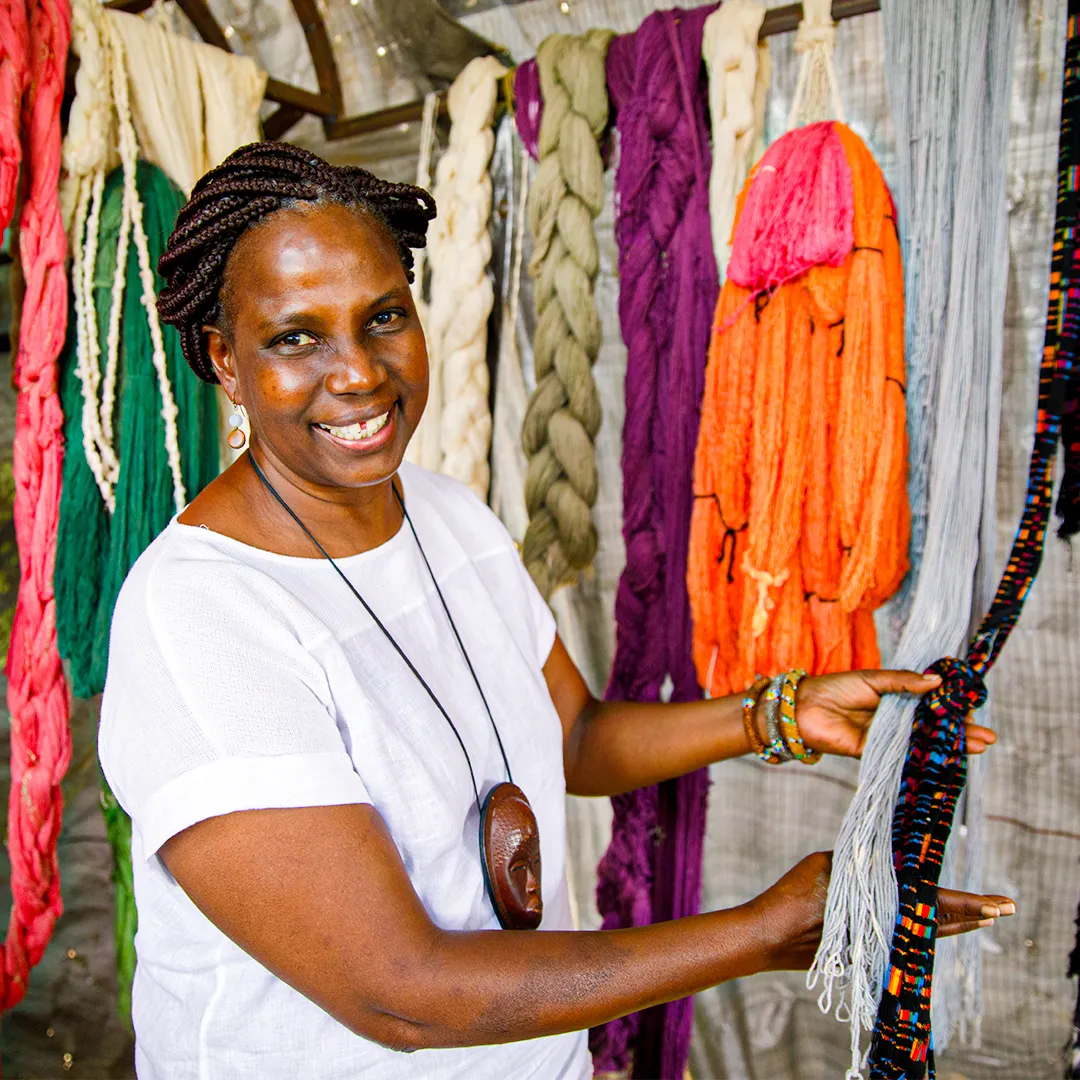
Local development initiatives are designed to strengthen access to fundamental rights, such as energy, water, food, education and health, thereby improving the living conditions of the populations involved. The priority intervention areas are access to energy (including clean cooking initiatives), education, water, economic diversification, health and land protection.
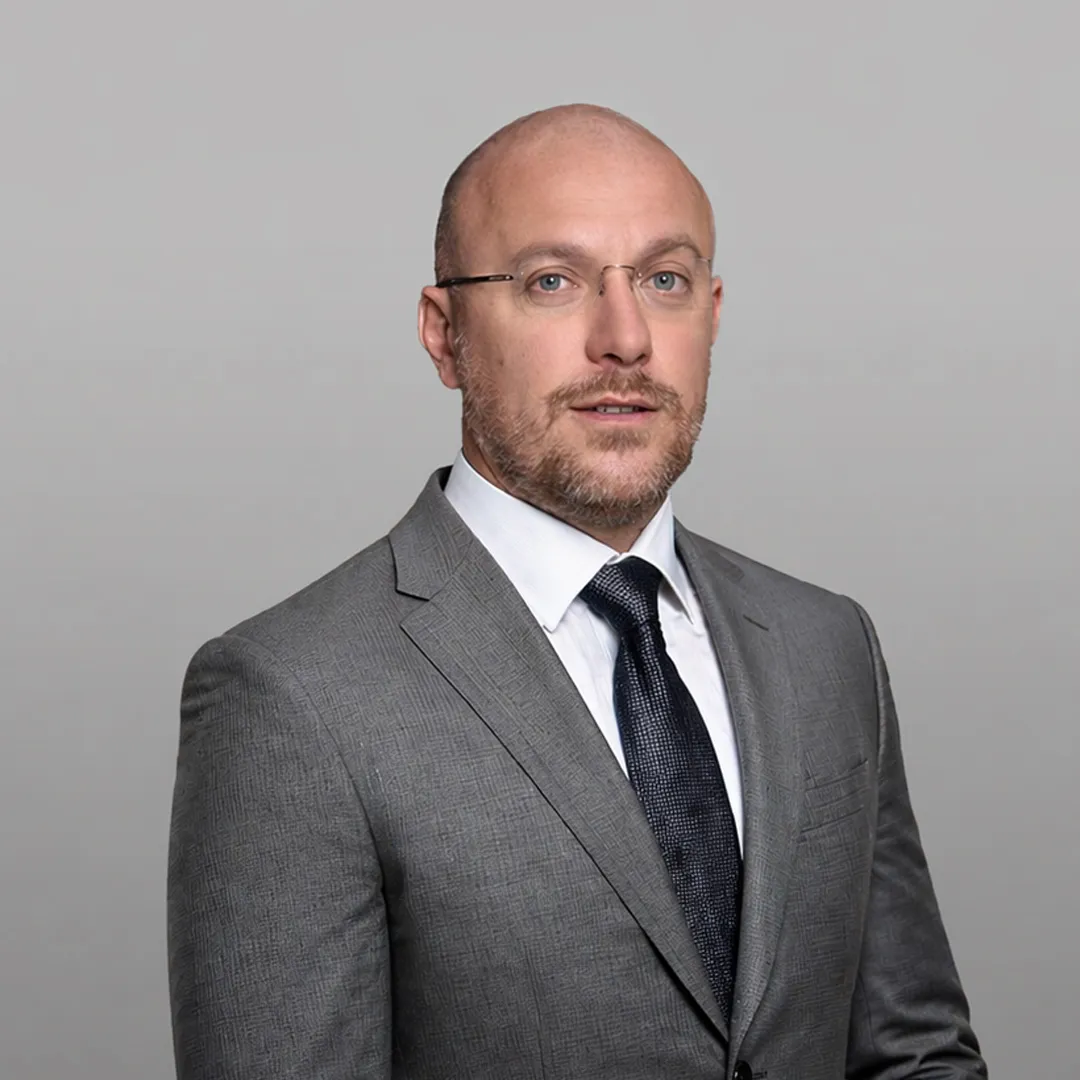
“For us, people’s health, as a fundamental human right, is of inestimable value and is therefore a priority in all our business activities. With this in mind, we are committed every day to safeguarding and promoting the well-being of our people. We do this by fostering a Culture of Health through projects and services that take into account physical, mental and social aspects”.
Filippo Uberti, Health Manager at Eni

Healthcare services provided
Healthcare services provided
Health is a fundamental human right and a business priority. The culture of health is promoted through projects, services and prevention activities designed to support each person’s physical, mental and social well-being. There were over 156,000 accesses to health promotion initiatives, with 80% of people having access to a psychological support service.
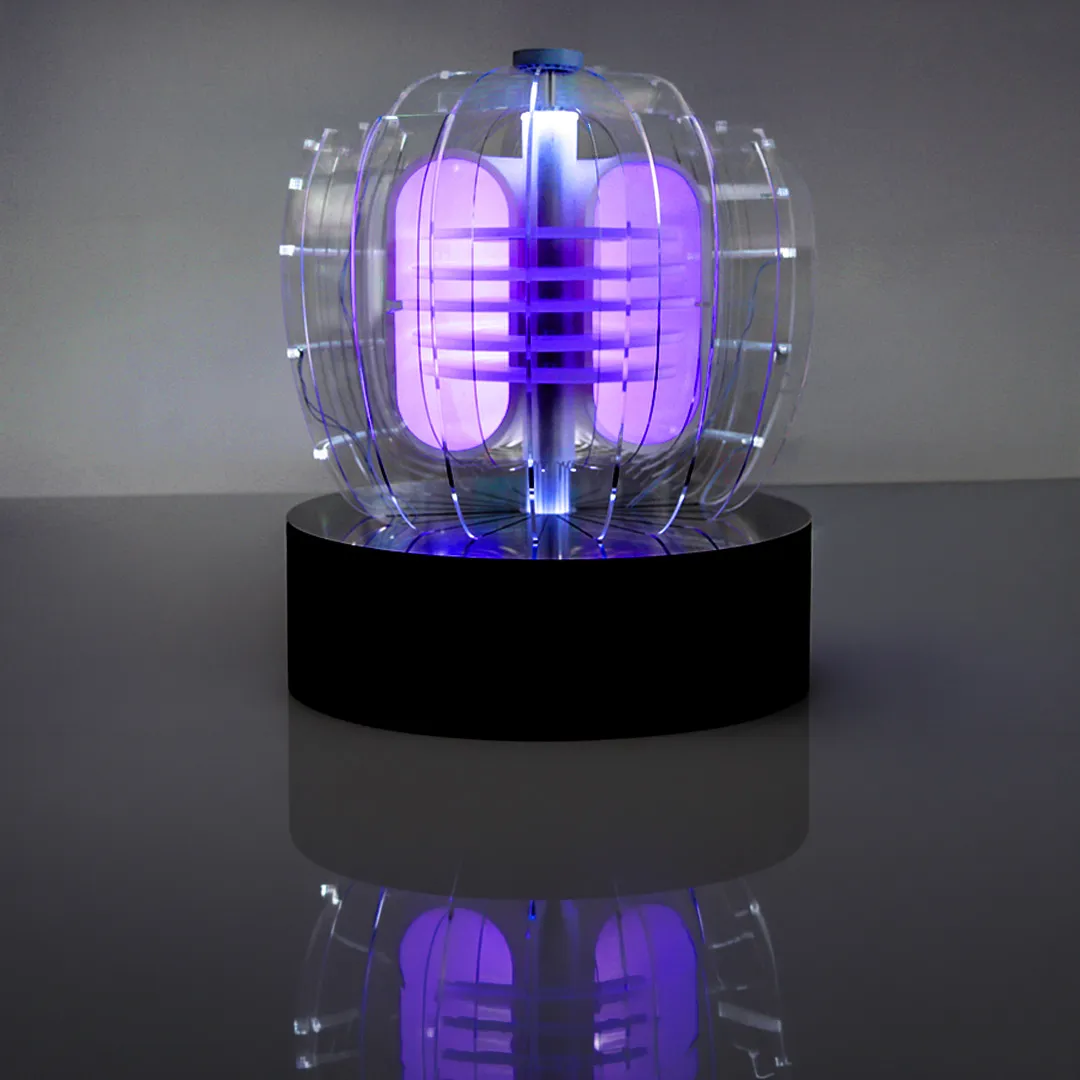
We collaborate with universities, startups, and research centers and develop competencies in strategic areas such as magnetic confinement fusion, digital technologies, and frontier technologies. We train new professionals and strengthen skills to address the energy challenges of the future, also supporting internal entrepreneurship through initiatives aimed at all our people in Italy and abroad.

We take a systemic and inclusive approach to sustainability, involving the supply chain in setting common goals and developing solutions based on ESG maturity. We share best practices through tools and free training, and we integrate ESG principles into our procurement processes. In Italy, for example, 97% of procurement procedures include an ESG assessment, and all strategic suppliers are evaluated on their progress towards sustainable development.

Companies participating in the Open-es initiative
Companies participating in the Open-es initiative
Eni’s Open-es platform helps our suppliers to achieve growth and improve their competitiveness in line with ESG principles. To date, more than 30 partners have joined the platform, including large industrial companies, financial institutions and other associations. Among the registered companies, over 9,400 belong to the Eni value chain, and 3,900 are local foreign suppliers.
offers advanced energy solutions
offers advanced energy solutions
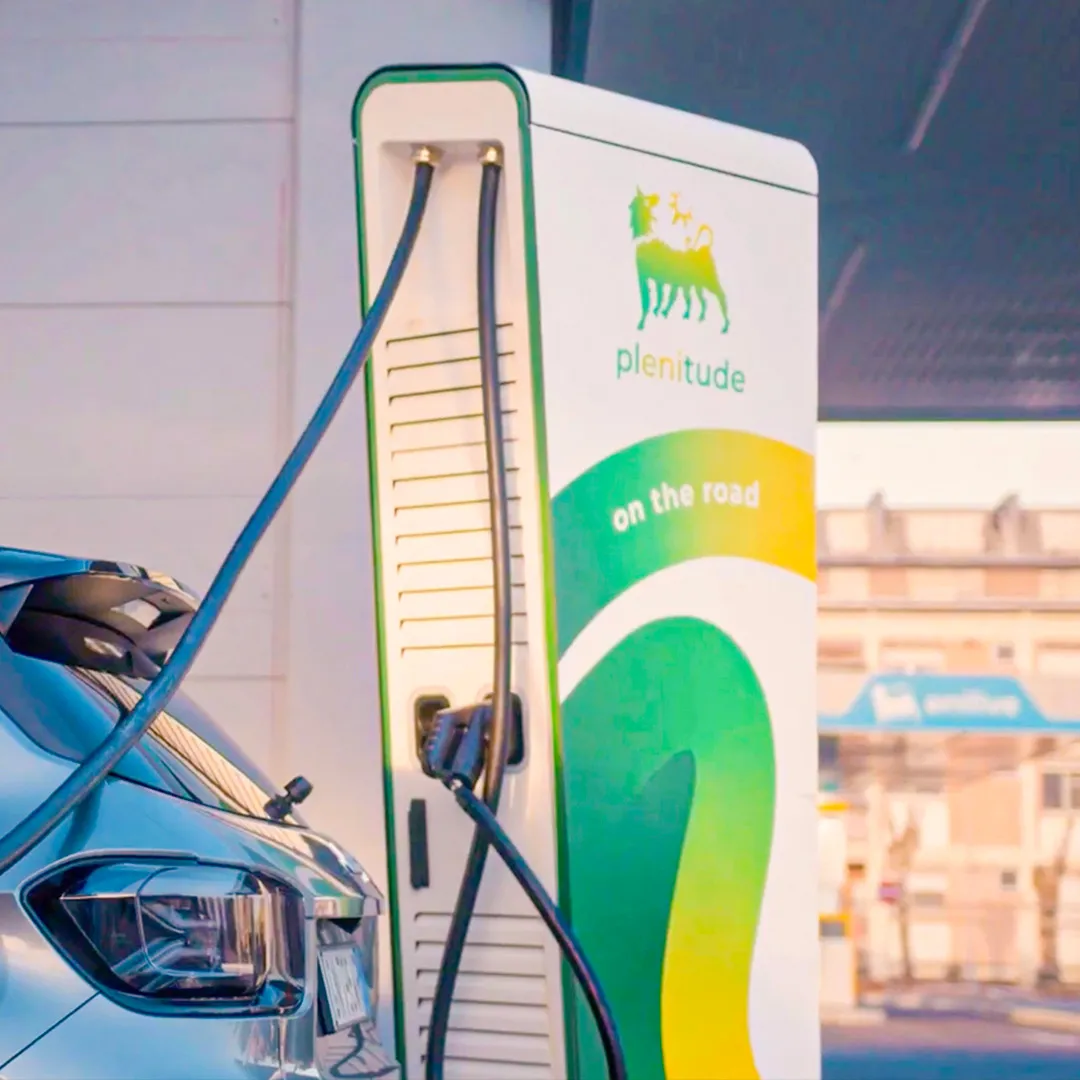
Plenitude and Enilive supply customers in Italy, France, Germany, Austria and Switzerland with increasingly decarbonised products. This is made possible by Plenitude’s approximately 23,000 electric vehicle charging points and more than 5,000 Enilive Stations, over 1,500 of which also distribute HVO, a high-quality biofuel produced from waste feedstocks and hydrogenated vegetable oils.
We build networks and capabilities for sustainable growth in collaboration with people, communities and partners.
Hours of training delivered
People reached by local community initiatives
Healthcare services provided
Companies participating in the Open-es initiative
offers advanced energy solutions
Projects and solutions that translate into concrete results our sustainability path.
0.09 %
Upstream methane emission intensity
(well below 0.2%)
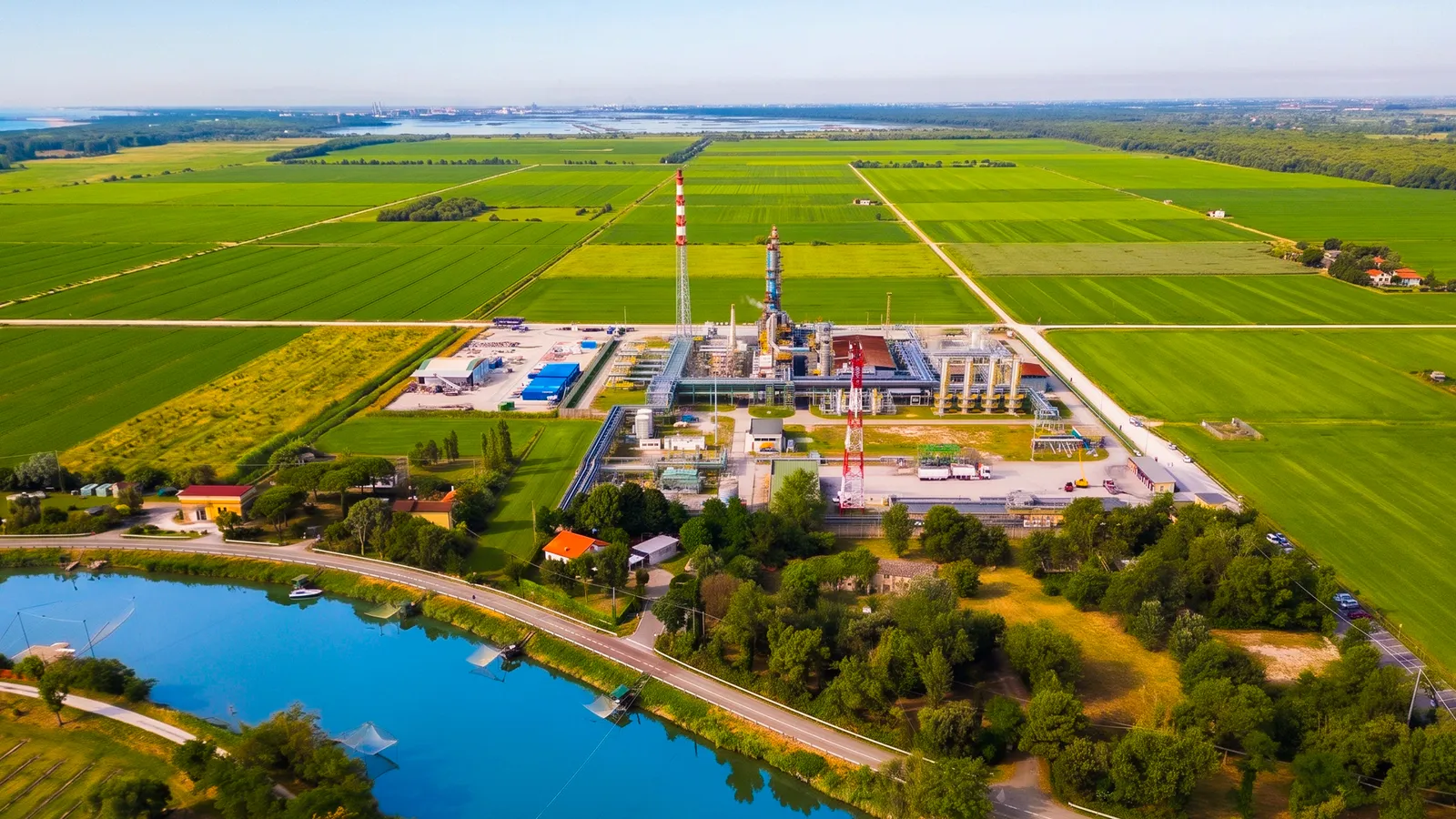
Since 2018, Eni has adopted technologies and operational solutions that have reduced emissions related to its activities, focusing on flaring, methane fugitive emissions and energy efficiency. In Upstream, this has led to zero routine flaring (operated assets) and a 97% reduction in methane fugitive emissions, with an emissions intensity of 0.09%.
Upstream methane emission intensity
(well below 0.2%)
1.65 mln ton/year
Enilive biorefining capacity
Our dedicated mobility products and services company also works to develop biofuels from food waste and residues. Enilive aims to reach 5 million tonnes per year (MTPA) of biofuels production capacity by 2030, driving growth across our transition businesses.
Enilive biorefining capacity
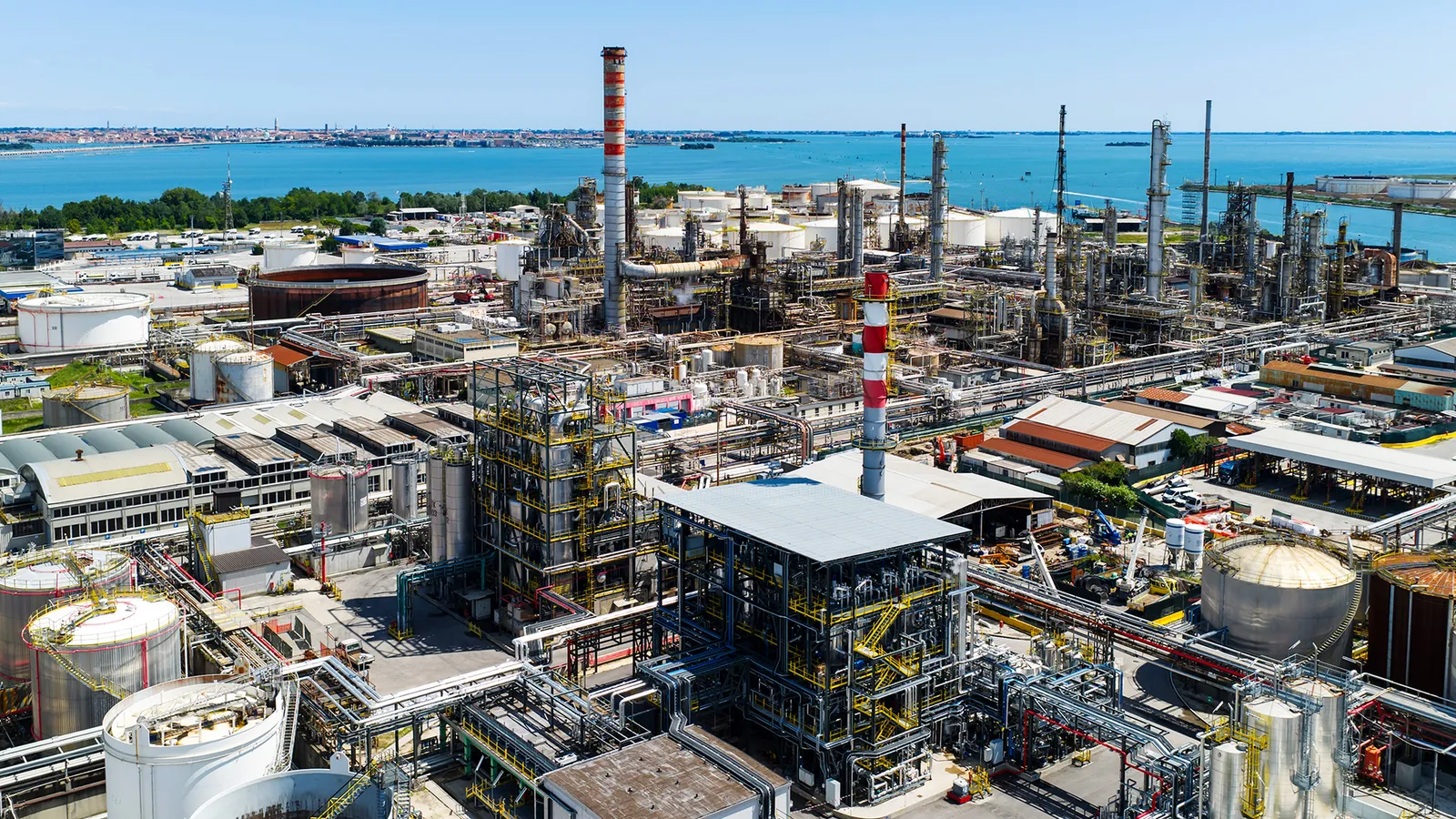
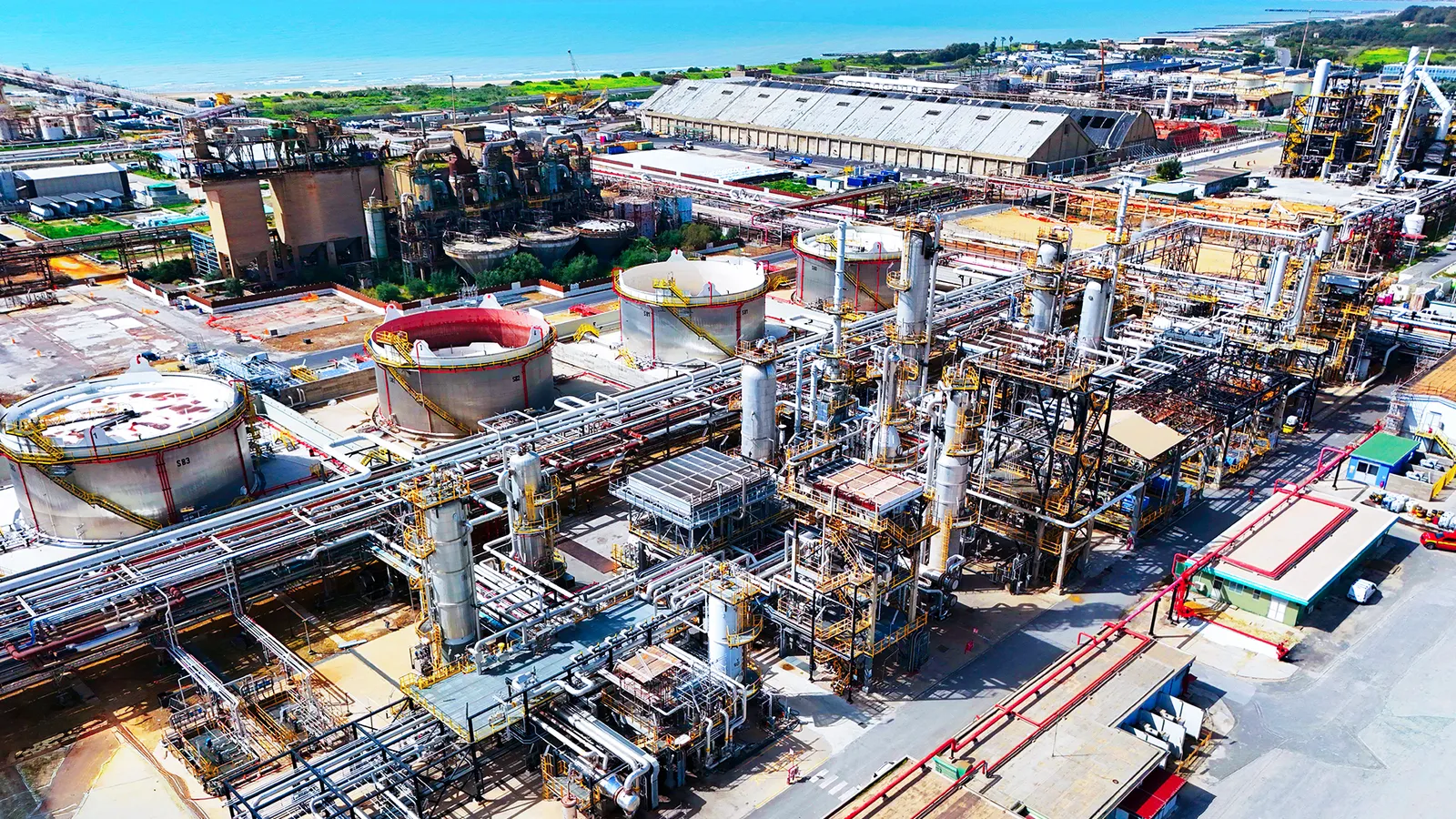
Enilive produces biofuels, a key lever for decarbonising transport, at biorefineries that have been converted from traditional refineries. Its Venice and Gela refineries in Italy were the first to be converted, with Livorno, Sannazzaro and Priolo next in line. New plants are also under construction in South Korea and Malaysia. The South Korean one, producing HVO (hydrogenated vegetable oil) and SAF-biojet (sustainable aviation fuel), will be operational from 2027. The Malaysian plant, developed with Petronas and Euglena, will start operations in 2028.
Refinery conversion projects
5.8 GW
Energy capacity of Plenitude’s renewable energy production plants (wind and solar)
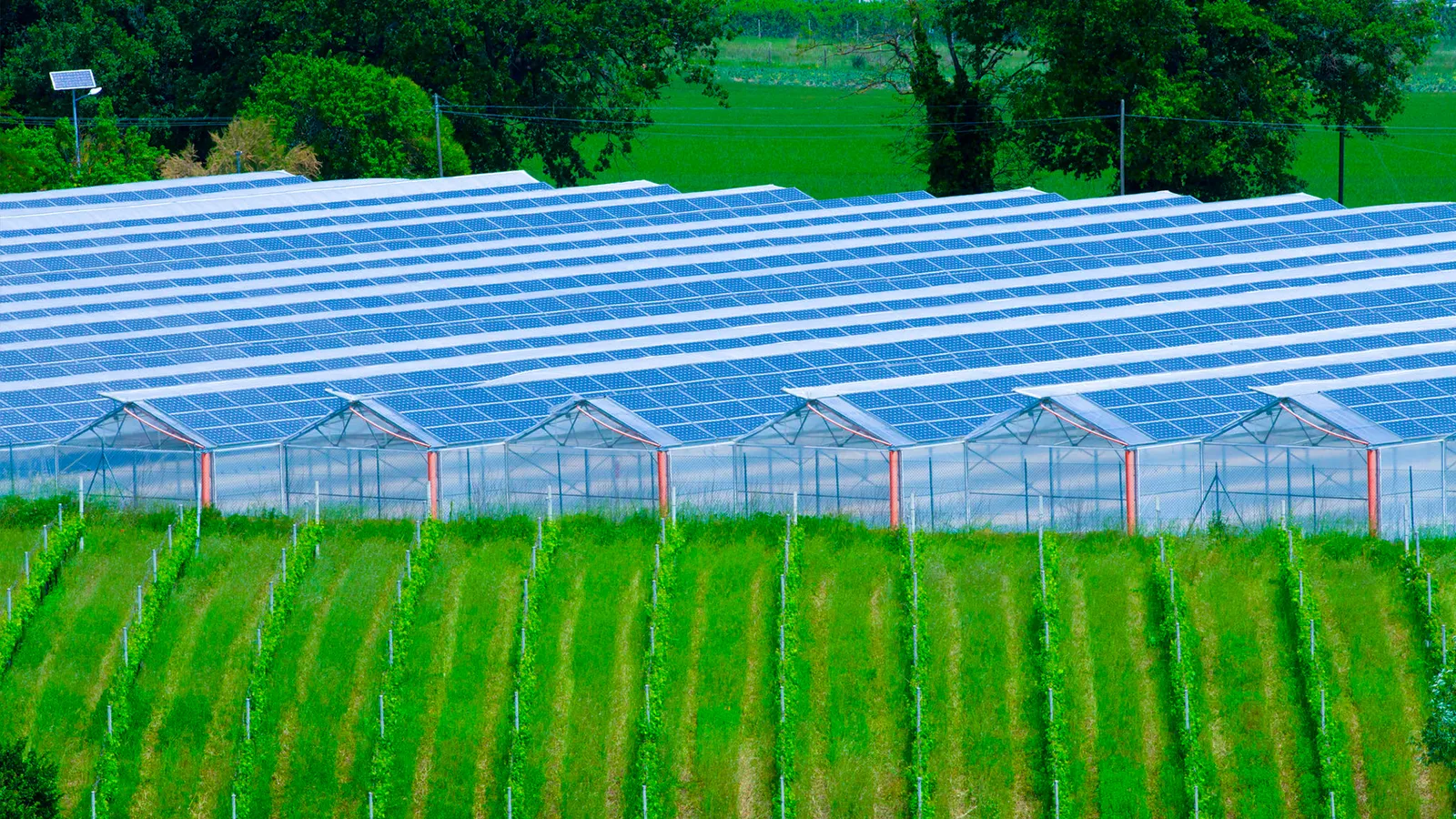
As one of our satellite model’s transition businesses, Plenitude combines renewable energy production with energy sales and charging services. Drawing on dedicated resources and independent financial management, it supports the Group’s decarbonisation strategy, driving a 41% increase in installed renewable capacity (compared to the previous year).
Energy capacity of Plenitude’s renewable energy production plants (wind and solar)
460 mln
euros
Total innovation expenditure
We allocated €207 million to Research and Development, of which €165 million was dedicated to reducing processes’ carbon footprint, promoting the circular economy, increased use of renewable energy and magnetic confinement fusion. Technology and innovation continue to be important drivers of change.
Total innovation expenditure
9,520 active patents
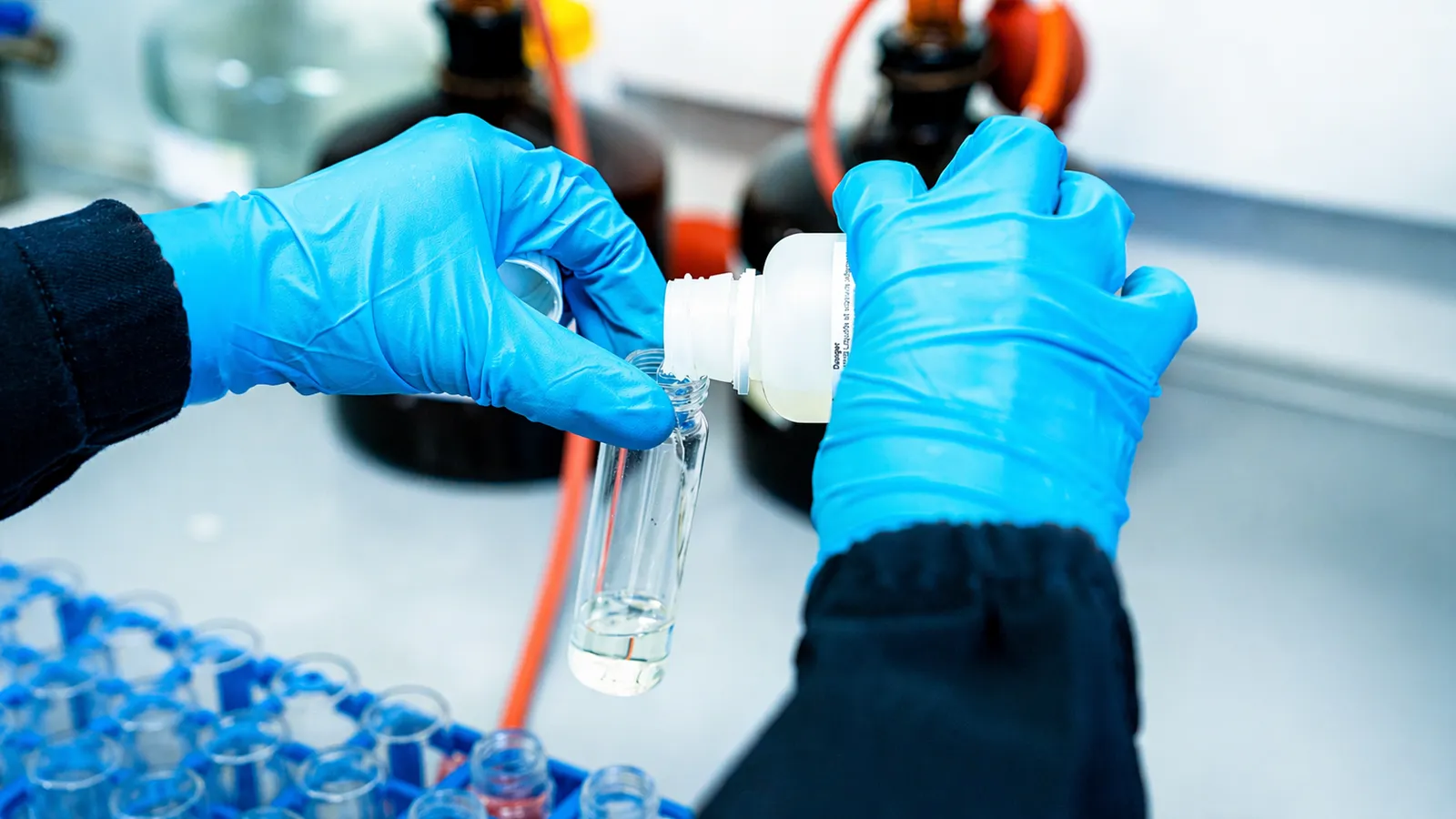
Strengthening the patent portfolio confirms our ability to develop innovative solutions from research to industrial scale. Of the 42 new applications filed, 21 concern the development of technologies from renewable sources, such as biofuels, solar energy, chemical ‘bio’ processes and circular technologies, as well as magnetic confinement fusion.
~440 k
Improved cooking stoves distributed in sub-Saharan Africa
Eni’s Clean Cooking Programme, launched in 2018, in 2025 had reached more than 2,200,000 people in seven African countries: Angola, Republic of the Congo, Côte d’Ivoire, Madagascar, Mozambique, Rwanda and Tanzania. We distribute efficient cookstoves that reduce biomass consumption, improve air quality and contribute to forest conservation. Thanks to more advanced technologies, we will be able to provide urban areas with induction stoves and rural areas with pyrolysis stoves, which can enhance agricultural waste in line with circular economy principles.
Improved cooking stoves distributed in sub-Saharan Africa
We integrate the principles of circularity into the development and transformation of value chains, with the aim of improving resource efficiency and extending the life cycle of assets and products. Our approach adapts to the operational specifics of different businesses and industrial contexts, from the reconversion of refineries into biorefineries to the use of circular raw materials and alternative feedstocks, and the development of advanced recycling and recovery technologies.
Integration of circularity principles
We have a gender-based anti-violence strategy and a cross-functional round table that involves numerous departments and satellite companies. Its initiatives aim to prevent and counteract violence inside and outside the workplace, for both employees and local communities. We have launched awareness-raising initiatives aimed at all Eni’s employees. We have made psychological, economic and managerial support measures available to employees who are victims of violence outside the workplace.
Strategy to combat gender-based violence
Projects and solutions that translate into concrete results our sustainability path.

0.09 %
Upstream methane emission intensity
(well below 0.2%)
1.65 mln ton/year
Enilive biorefining capacity
Refinery conversion projects
5.8 GW
Energy capacity of Plenitude’s renewable energy production plants (wind and solar)

460 mln
euros
Total innovation expenditure
9,520 active patents

~440 k
Improved cooking stoves distributed in sub-Saharan Africa
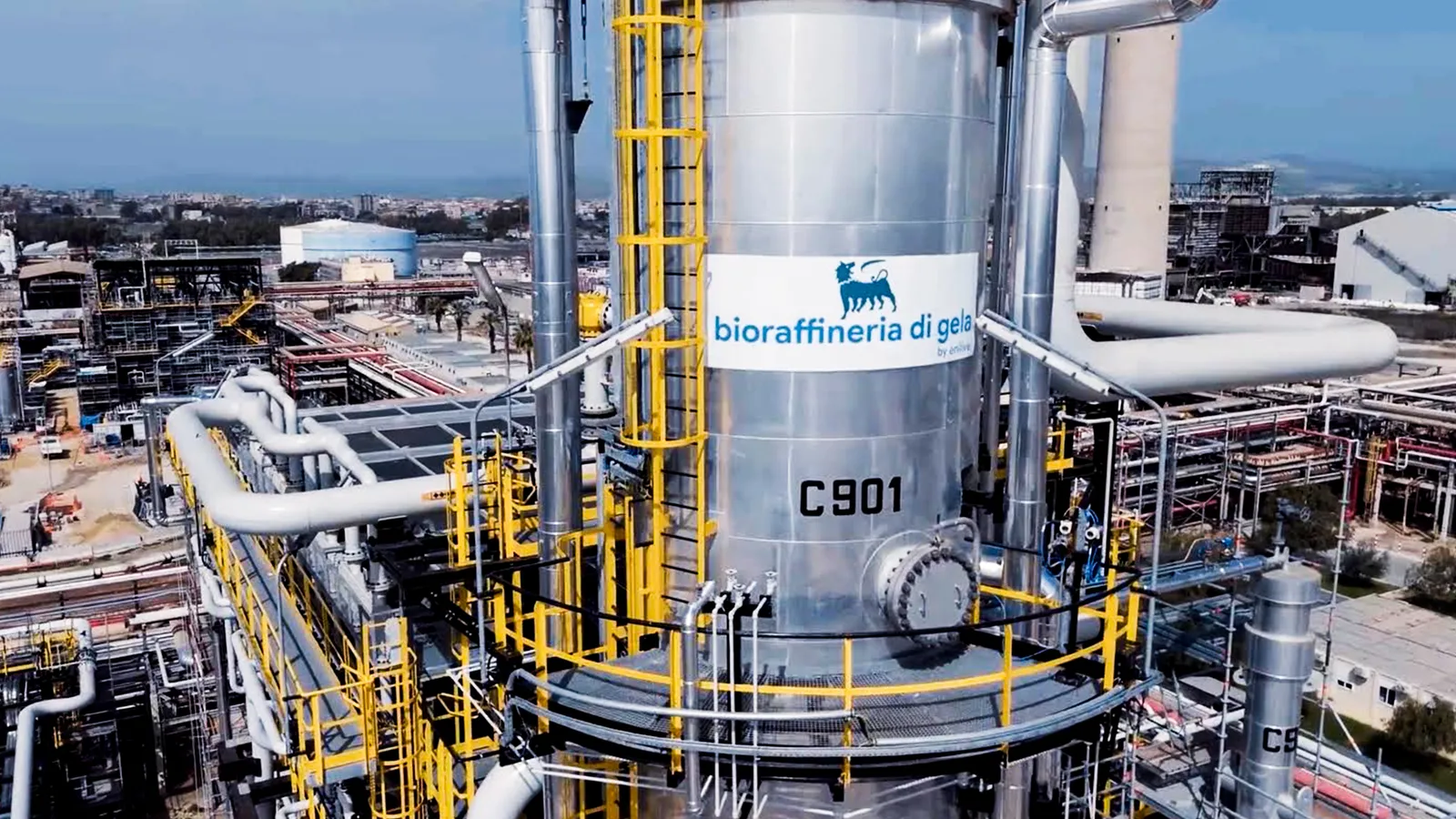
Integration of circularity principles

Strategy to combat gender-based violence
Download the report in pdf format to explore the results and targets of our journey towards a socially fair energy transition.
Eni for
2025

